
Special Needs Dentistry in Houston

Adaptive dental care

Care shaped around the individual

Special needs dentistry in Houston for adults and children begins with listening. We shape visits around communication, sensory preferences, mobility, medical history, caregiver input, and individual comfort.

Prefer to speak with our team? Call (713) 266-4222.
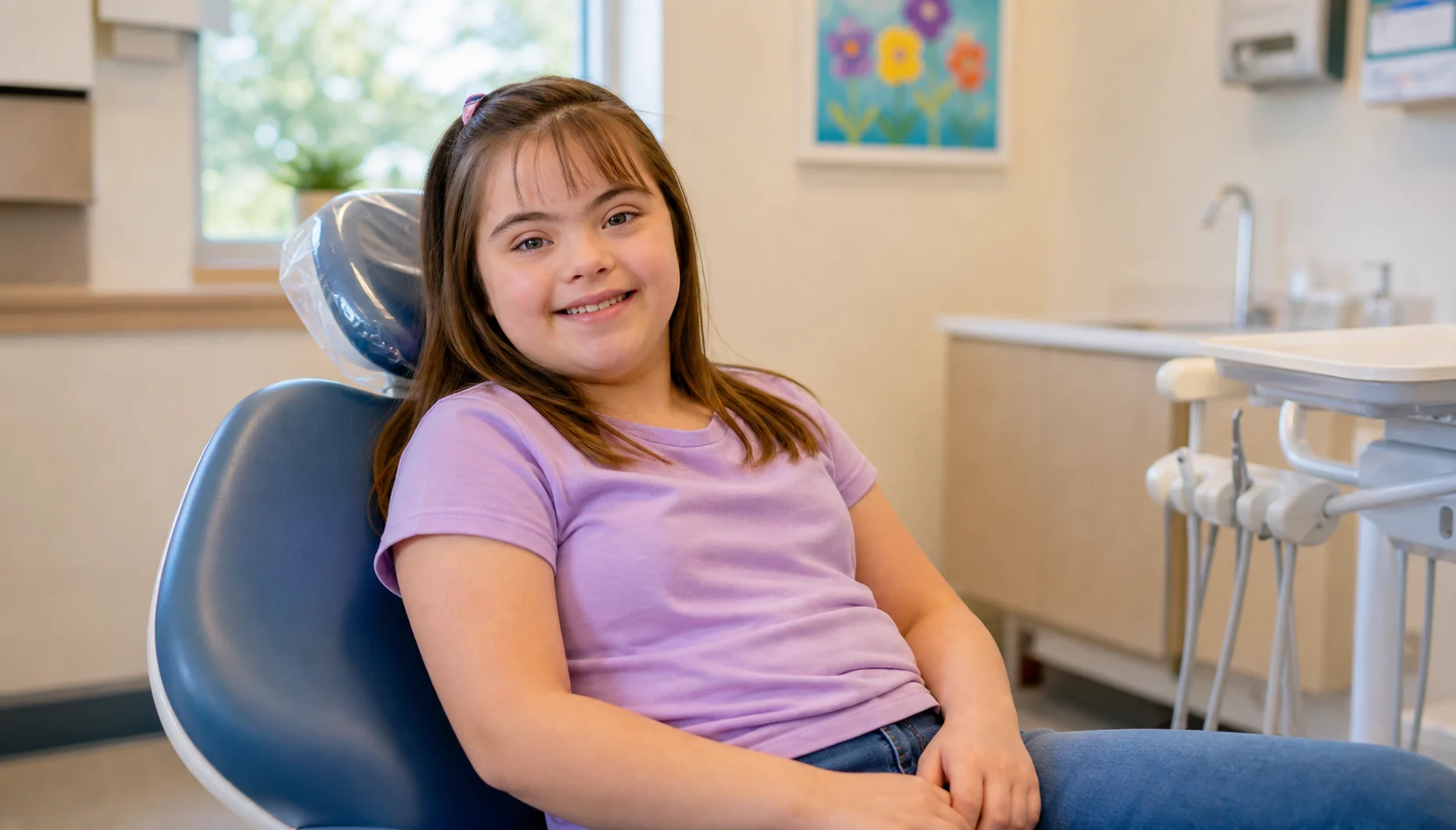
Supportive dental visit adapted for a patient with special needs.

Care that adapts to the patient

Some patients need extra time, sensory accommodations, caregiver coordination, simplified explanations, or sedation support. We listen first, then plan the appointment around what helps care go well.

Tell us about medical history, communication preferences, mobility needs, triggers, and previous dental experiences when scheduling.

Planning Special Needs Dentistry in Houston

Helpful planning can begin before the patient arrives. Tell us about communication methods, sensory triggers, mobility or positioning needs, medical conditions, medications, decision-making support, and strategies that have helped at previous healthcare visits.

Some patients benefit from a short familiarization visit, extra appointment time, a quieter setting, caregiver participation, or breaking care into smaller steps. When those adjustments are not enough, we can discuss whether sedation should be evaluated for necessary treatment.

Support may include

  • Longer appointment planning and caregiver involvement.
  • A calm, patient approach to exams and treatment.
  • Sedation discussion when appropriate for safe dental care.

Ready to take the next step?

Contact our team to schedule an appointment and discuss the next step for your smile.

Or call (713) 266-4222 to speak with our team.

Frequently asked questions

Special needs dentistry questions, answered

Start with clear information, then meet with our dental team for recommendations based on your health and goals.

Who can benefit from special needs dentistry?

Special needs dentistry supports children and adults who may benefit from adaptations related to developmental, cognitive, sensory, physical, behavioral, or medical needs. Care begins by learning what helps the individual communicate, feel comfortable, and receive treatment safely.

What accommodations may be available during a dental visit?

Accommodations may include extra appointment time, a quieter environment, simplified explanations, sensory adjustments, mobility or positioning support, caregiver participation, and care divided into smaller steps. The plan is individualized rather than using one approach for every patient.

What should a caregiver share before the appointment?

Tell the office about communication methods, sensory triggers, mobility needs, medical conditions, medications, decision-making support, previous dental experiences, and strategies that work well in other healthcare settings. Sharing this information early helps the team prepare.

Can we schedule a familiarization visit first?

Some patients benefit from a shorter introductory visit to meet the team, see the environment, and practice parts of an examination. Whether this is useful depends on the person’s needs and the urgency of care, so discuss it when scheduling.

Is sedation available for patients with special needs?

Sedation may be considered when accommodations alone are not enough for necessary care. The dentist reviews medical history, medications, communication and sensory needs, caregiver input, and the planned procedure before determining whether nitrous oxide or IV sedation may be appropriate.

Do you provide both preventive and restorative care?

Yes. Care may include examinations, cleanings, diagnostic imaging, preventive treatment, and restorative services based on the patient’s needs and ability to participate safely. The team can break treatment into manageable steps when appropriate.

← Back to services