
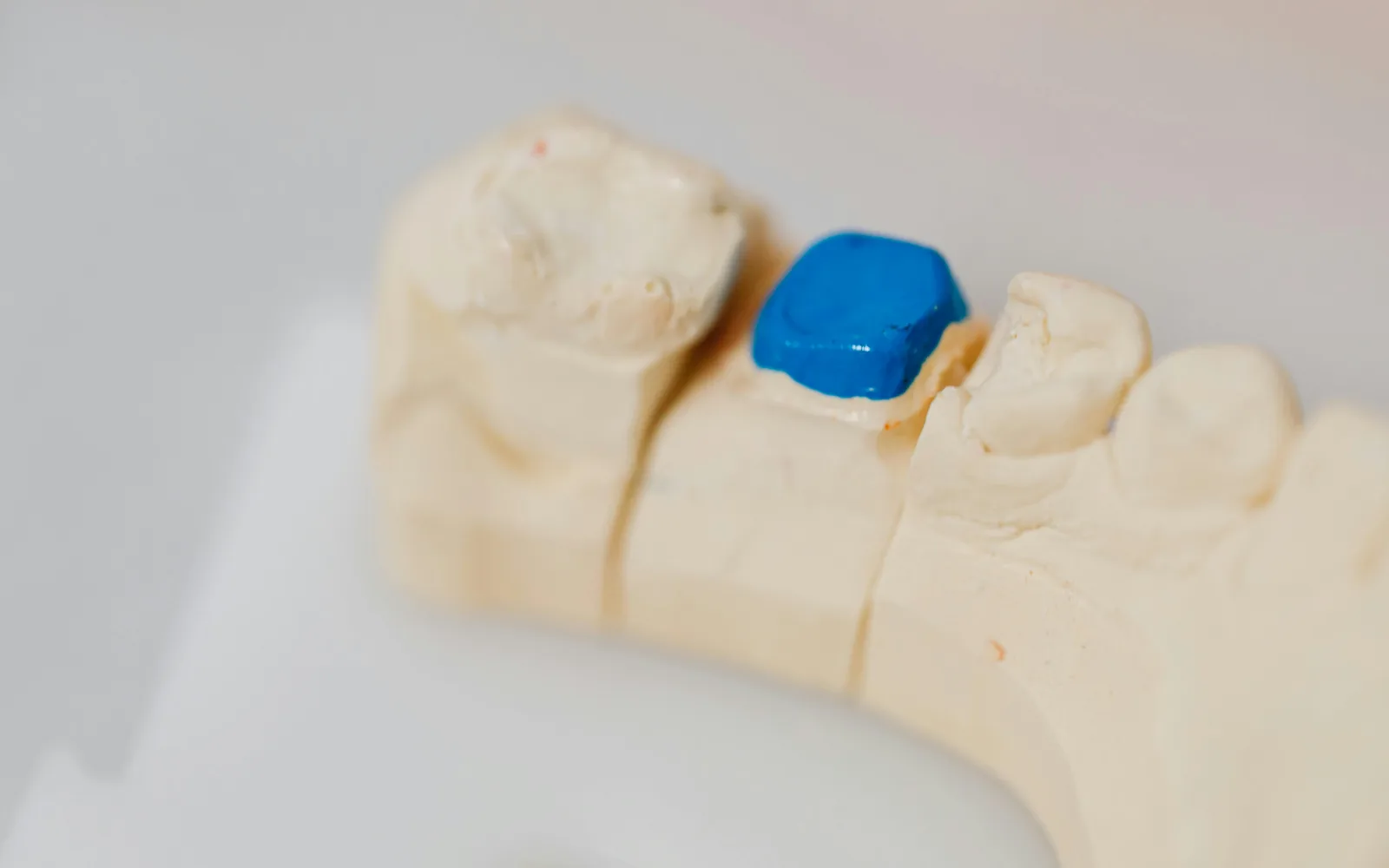
dental crown is the focus of this guide for patients near Uptown Houston and the Galleria area who want practical, dentist-reviewed information before scheduling care.
A chip from biting hard food or a crack from clenching can weaken a tooth quickly. Many Houston patients delay care until cold sensitivity or chewing pain appears—by then, bacteria may already be moving inward.
Bonding vs. crowns
Small enamel chips sometimes qualify for cosmetic bonding in one visit. Deeper fractures that threaten the cusp or nerve usually need a crown to wrap the tooth and distribute bite force evenly.
What to expect
We capture digital or traditional impressions, match shade to neighboring teeth, and place a temporary when needed while the final crown is fabricated. Most patients return to normal chewing once the bite is adjusted.
- Avoid chewing ice or hard candy on repaired teeth
- Wear a night guard if you clench or grind
- Keep regular exams so we can monitor the margin
Related care at our Houston office: Crowns and bridges.
When to talk with our dental team
If dental crown is on your mind, a dental visit can help separate minor concerns from problems that need timely care. We look at your teeth, gums, bite, medical history, comfort level, and goals before recommending treatment, because two patients with similar symptoms may need different next steps.
At Uptown Houston Smiles, our goal is to make chipped or cracked tooth? when a crown makes sense easier to understand without pressure. We explain what we see, review options when more than one path is reasonable, and help you prioritize care by urgency, comfort, cost, and long-term oral health.
How to prepare for your appointment
Before your visit, write down when the concern started, what makes it better or worse, and whether you have noticed sensitivity, swelling, bleeding, clicking, grinding, or changes in how your teeth fit together. Bring a current medication list and mention recent medical updates, even if they do not seem connected to your mouth.
Photos can also help if symptoms come and go. A quick phone picture of swelling, discoloration, or a chipped edge gives our team more context during your exam. If you have dental records, X-rays, retainers, night guards, dentures, aligners, or previous treatment notes, bring them with you so we can make a more complete recommendation.
Questions patients often ask
How soon should I schedule?
Call promptly for pain, swelling, bleeding that does not improve, a broken tooth, or changes that last more than two weeks. For routine questions, your next exam is a good time to discuss prevention and planning.
Will I know the cost before treatment?
We provide estimates when treatment is recommended and discuss insurance or payment options before you commit to care.
Can this wait?
Some cosmetic or preventive goals can be planned gradually, but infection, worsening pain, loose teeth, or swelling should not be ignored. Early evaluation often keeps treatment simpler.