
Dental Crowns and Bridges in Houston

Restorative dental care

Strength and function for damaged or missing teeth

Dental crowns and bridges in Houston restore damaged or missing teeth with custom restorations designed to support comfortable chewing, a balanced bite, and a natural-looking smile.

Prefer to speak with our team? Call (713) 266-4222.
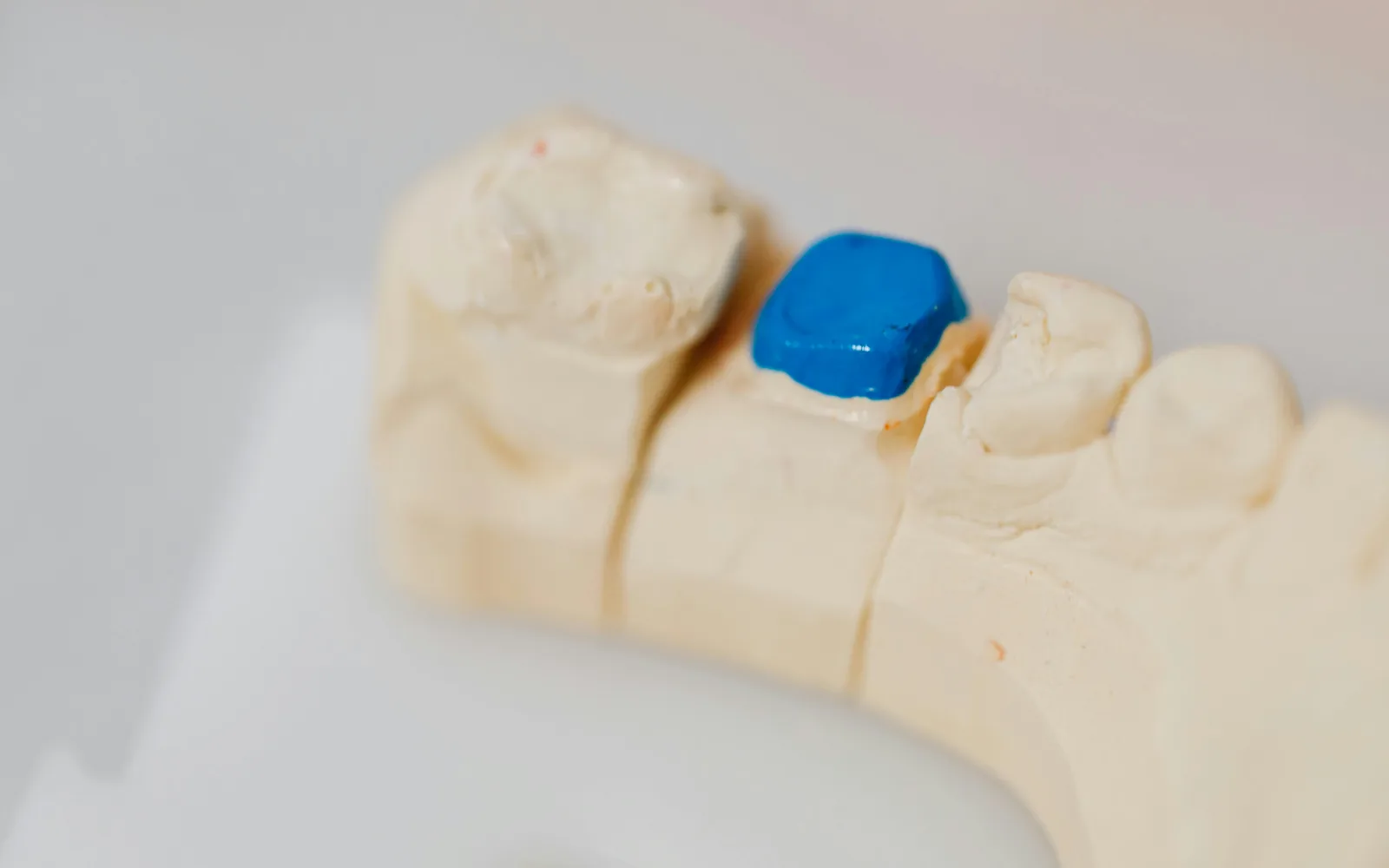
Dental crown model used to explain restoration of a damaged tooth.

Protection for weakened teeth

A crown covers a tooth that has been weakened by decay, fracture, large fillings, root canal treatment, or heavy wear. The goal is to restore strength while matching your natural smile.

A bridge can replace a missing tooth by anchoring to neighboring teeth or implants, helping maintain bite balance and appearance.

Planning Dental Crowns and Bridges in Houston

Planning a crown begins with determining how much healthy tooth remains and why the tooth weakened. We evaluate decay, cracks, large fillings, previous root canal treatment, bite forces, and the surrounding gum tissue before recommending full coverage.

For a missing tooth, we compare a bridge with implant-supported and removable options when appropriate. The condition of neighboring teeth, cleaning access, treatment time, appearance, and long-term maintenance all influence which restoration makes sense.

Common reasons for treatment

  • Cracked, broken, or heavily filled teeth.
  • Protection after root canal therapy.
  • Replacement of one or more missing teeth with a fixed restoration.

Ready to take the next step?

Contact our team to schedule an appointment and discuss the next step for your smile.

Or call (713) 266-4222 to speak with our team.

Frequently asked questions

Dental crown and bridge questions, answered

Start with clear information, then meet with our dental team for recommendations based on your health and goals.

When might a tooth need a dental crown?

A crown may be recommended when a tooth has a large filling, extensive decay, a significant crack, substantial wear, or weakness after root canal treatment. The goal is to protect remaining tooth structure and restore comfortable function.

What is the difference between a crown and a filling?

A filling replaces a smaller damaged portion of a tooth. A crown covers most or all of the visible tooth when more protection is needed. The amount of healthy tooth structure, location of damage, bite forces, and restorability guide the recommendation.

How many appointments does a dental crown require?

The number and timing of visits depend on the crown process used and whether the tooth needs other treatment first. A typical sequence includes preparation and records, a temporary restoration when needed, and placement and adjustment of the final crown.

Is a crown always needed after a root canal?

Not every root-canal-treated tooth requires the same restoration, but back teeth and teeth with substantial structure loss often need a crown for protection. Your dentist considers the tooth’s location, remaining structure, existing restoration, cracks, and bite forces.

How should I care for a dental crown?

Brush and clean between the crown and neighboring teeth every day, and attend regular examinations and cleanings. Avoid using the tooth to open packages or chew very hard objects. Contact the office if the crown feels loose, painful, or changes your bite.

What affects the cost of a crown or bridge?

Cost depends on the type of restoration, material, number of teeth involved, laboratory needs, and whether foundation, root canal, gum, or implant treatment is required. The office can provide an estimate and review insurance benefits after an examination.

← Back to services